
Healing from trauma is a sensitive and often challenging journey for adolescents. Teens who have experienced emotional, psychological, or behavioral trauma may struggle with depression, anxiety, or difficulty regulating emotions. Inpatient mental health care provides a structured, therapeutic setting where teens can access professional support, evidence‑based treatments, and continuous care — all crucial components for lasting recovery.
Healing from trauma is a sensitive and often challenging journey for adolescents. Teens who have experienced emotional, psychological, or behavioral trauma may struggle with depression, anxiety, or difficulty regulating emotions. Inpatient mental health care provides a structured, therapeutic setting where teens can access professional support, evidence-based treatments, and continuous care — all crucial components for lasting recovery. Seeking the right care, such as at the best adolescent inpatient mental health facilities in Boise or nearby, can provide the stability and environment necessary for a teen to heal and build resilience in the face of their challenges. These programs not only focus on immediate relief but also equip teens with long-term coping strategies. With the right support, adolescents can regain confidence and move toward a healthier, more balanced future.
Avery’s House
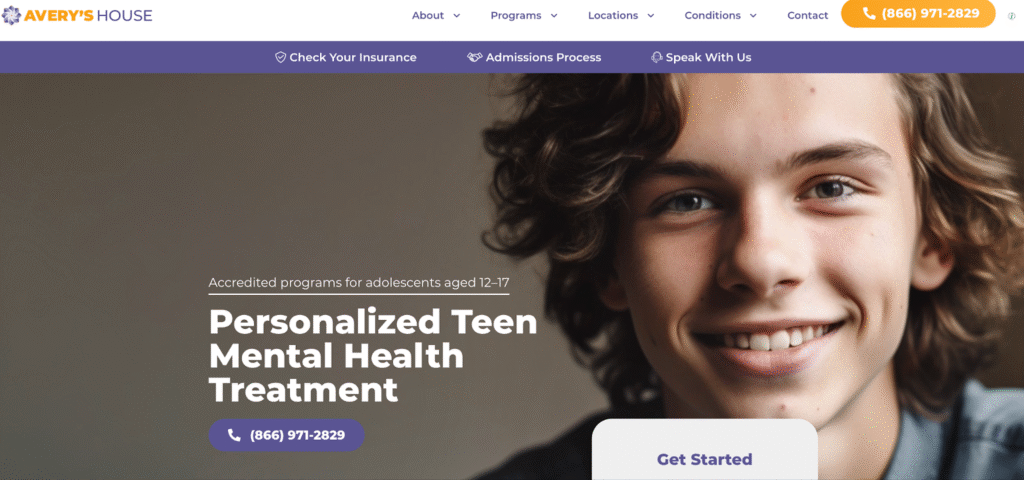
Avery’s House provides trauma‑informed inpatient care tailored to adolescents. Their programs focus on helping teens process traumatic experiences through evidence‑based therapies such as Cognitive Behavioral Therapy (CBT) and Dialectical Behavior Therapy (DBT). Teens at Avery’s House receive individualized treatment plans, therapeutic group work, and family involvement — all delivered within a structured, supportive environment.
Family participation is actively encouraged, helping build stronger communication patterns and a solid support system at home during and after treatment.
Sunstone Behavioral Health
Sunstone Behavioral Health provides residential treatment programs for teens in Idaho and the surrounding regions. Their therapeutic approach includes trauma‑informed care, individual and family therapy, and personalized treatment plans. Sunstone’s clinicians focus on helping teens build healthy coping skills, increase emotional regulation, and improve interpersonal relationships — all key elements in trauma recovery.
Sunstone integrates structured activities with clinical therapy to foster self‑reflection and resilience in a safe residential setting.
Idaho Youth Ranch/ Serenity Lane Programs
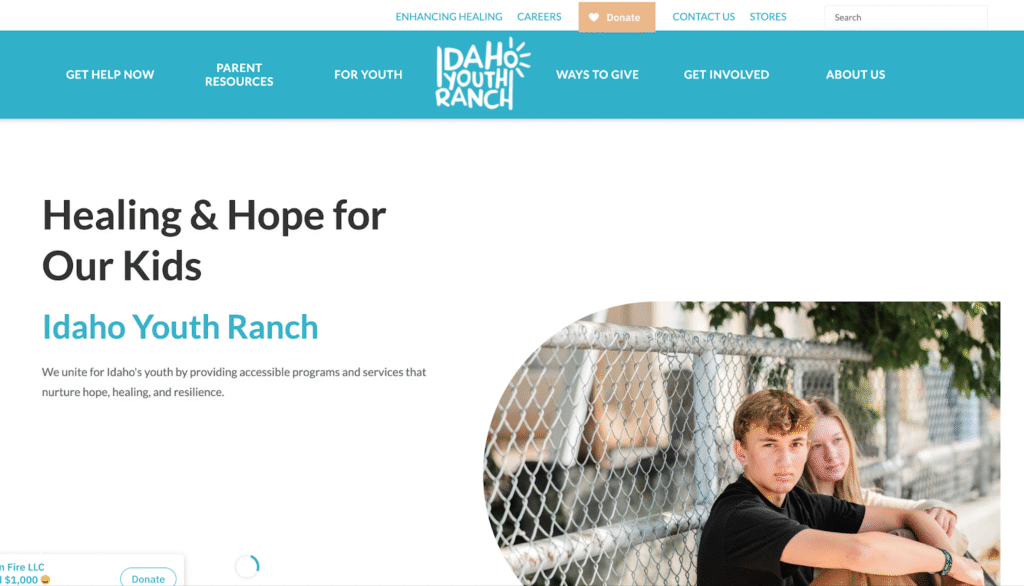
The Idaho Youth Ranch operates programs that provide therapeutic support for youth, including residential treatment options designed to address mental health needs rooted in trauma, emotional distress, and behavioral challenges. While not exclusively trauma‑specific, their care model focuses on holistic growth, emotional healing, and long‑term personal development.
Their team includes trained professionals who guide teens through structured therapy, life‑skills training, and supportive counseling tailored to individual needs.
Treasure Valley Youth Services

Treasure Valley Youth Services provides residential treatment and crisis stabilization services for teens experiencing emotional and behavioral health challenges, including trauma. Their program prioritizes safety, clinical supervision, and therapeutic intervention, providing group therapy, individual counseling, and family support.
The environment is designed to help teens stabilize during difficult emotional periods and build skills that translate into healthier behaviors and decision‑making outside the program.
St. Luke’s Behavioral Health Programs (Boise)
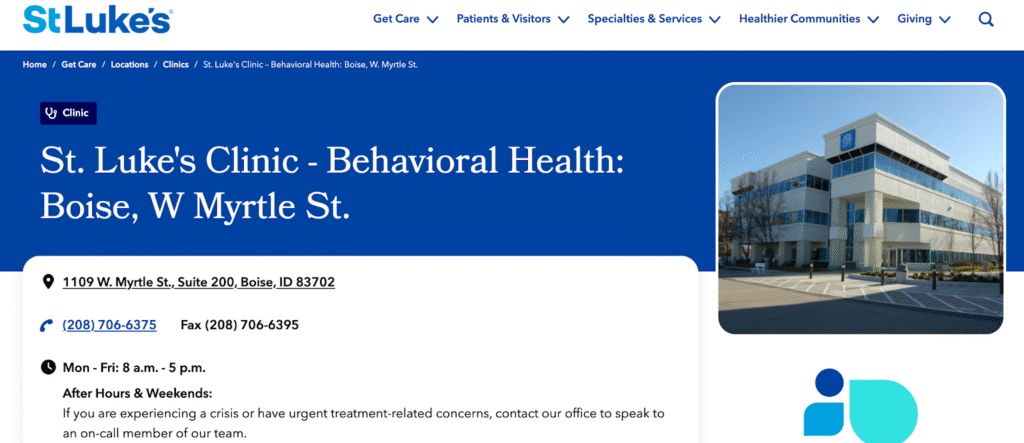
While St. Luke’s does not operate a long‑term residential facility, their behavioral health inpatient services in Boise provide short‑term stabilization and intensive clinical care for teens experiencing acute trauma‑related symptoms. Their team includes psychiatrists, therapists, and nurses trained in adolescent mental health, and they work to stabilize teens before transitioning them to longer‑term care.
St. Luke’s is often recommended for teens in crisis who need immediate support before continuing care through outpatient or residential programs.
Key Factors in Choosing Trauma-Informed Inpatient Care
When evaluating inpatient mental health programs for trauma recovery, consider these critical elements:
Trauma‑Focused Therapies
Look for programs that specialize in trauma‑informed therapies, such as CBT, DBT, Eye Movement Desensitization and Reprocessing (EMDR), or trauma‑sensitive group work.
Certified Clinical Staff
Programs should be staffed with licensed mental health professionals, including psychiatrists, psychologists, clinicians, and trauma specialists with experience treating adolescents.
Individualized Care
The best programs tailor treatment plans to your teen’s unique history, symptoms, and needs — not a one‑size‑fits‑all approach.
Family Engagement
Family therapy and education help teens maintain progress after discharge and strengthen support systems at home.
Aftercare and Transition Planning
Strong programs provide detailed discharge plans, outpatient referrals, and community support to help teens continue healing outside the inpatient setting.
Conclusion
Boise and the surrounding area provide several reputable options for teens seeking inpatient mental health support for trauma recovery. Programs like Avery’s House, Sunstone Behavioral Health, Idaho Youth Ranch’s residential care, Treasure Valley Youth Services, and St. Luke’s Behavioral Health each provide unique supports that help teens recover, learn coping skills, and build resilience.
By focusing on trauma‑informed care, qualified clinical staff, and individualized treatment planning, families can find a program that aligns with their teen’s healing needs and long‑term mental health goals. With the right support, teens can navigate the path from trauma toward emotional strength and stability.
